

Building a robust professional network as a telecommuter requires a definitive shift from relying on passive office interactions to engaging in intentional, digital-first relationship building. In 2026, professionals who succeed at distributed networking combine structured asynchronous outreach with strategic local engagements to cultivate meaningful industry connections. By leveraging industry-specific platforms, organizing virtual coffee chats, and participating in targeted regional meetups, professionals can effectively bypass the traditional corporate water cooler to build a thriving, supportive career ecosystem.
Key Takeaways
- Intentional Outreach is Mandatory: Passive connections no longer happen; professionals must actively schedule virtual interactions.
- Embrace Asynchronous Networking: Utilize digital platforms to connect across Canada’s six time zones without requiring real-time availability.
- Build a Personal CRM: Track conversations, follow-ups, and key details systematically to nurture long-term relationships.
- Mix Digital with Local: Supplement online networking with strategic attendance at regional hybrid events or co-working spaces.
- Prioritize Value Reciprocity: Focus on what you can offer to others rather than merely what you can extract from a new connection.
- Combat Digital Proximity Bias: Ensure you remain visible to leadership and peers through consistent, documented communication.
The New Landscape of Digital Connections in 2026
The transition away from centralized corporate headquarters has fundamentally altered how professionals interact. According to recent data published by Statistics Canada, approximately 42% of the national workforce operates in a fully distributed or hybrid capacity as of early 2026. This structural shift means that impromptu hallway conversations and shared lunch breaks—once the bedrock of professional relationship building—have been replaced by scheduled digital interactions.
Many professionals initially struggle with this transition, experiencing a phenomenon known as digital proximity bias. This technical term refers to the human tendency to favor individuals who are physically closer or more frequently visible on screen, often leaving quiet or highly asynchronous workers at a disadvantage. To combat this, modern professionals must adopt a proactive networking posture. Relying solely on internal company channels is insufficient for long-term career growth; cultivating external industry relationships is vital.
Foundational Strategies for Virtual Outreach
Building a web of professional contacts without a physical office requires deliberate strategy. You are no longer constrained by geographic location, meaning a marketing professional in Halifax can seamlessly build relationships with tech founders in Vancouver. However, this vast opportunity requires disciplined execution.
Mastering the Virtual Coffee Chat
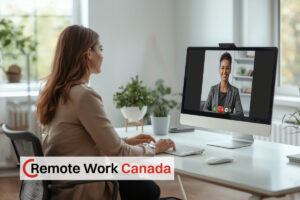
The virtual coffee chat has become the cornerstone of digital relationship building. Unlike traditional networking events where you might exchange business cards with a dozen people, virtual chats are high-intent, 1-on-1 interactions. To maximize their effectiveness, follow these established steps:
- Identify Mutual Synergies: Research potential connections whose career trajectories align with your goals. Look for shared alma maters, mutual connections, or overlapping industry interests.
- Send a Frictionless Invitation: Keep your outreach concise. Request a strictly time-boxed 15-to-20-minute video call. State your purpose clearly to avoid ambiguity.
- Prepare Strategic Questions: Do not use this time to ask questions easily answered by their public profile. Ask about industry trends, specific projects, or their perspective on market shifts.
- Implement Timely Follow-Ups: Within 24 hours, send a brief message thanking them for their time and referencing a specific insight they shared.
As Sarah Jenkins, VP of Talent Acquisition at TechBridge Innovations, explains: “Networking without an office requires moving from passive encounters by the water cooler to active, intentional digital outreach. A well-crafted 15-minute virtual meeting often yields deeper professional alignment than an hour at a crowded conference.”
Strategic Engagement on Professional Platforms
Passively scrolling through your feed will not yield a robust network. Active engagement is required. When utilizing platforms like LinkedIn, focus on leaving thoughtful, analytical comments on industry posts rather than simply clicking the ‘like’ button. Publishing your own insights regarding industry trends or summarizing recent projects helps establish your digital footprint.
For those navigating telecommuting positions, maintaining a highly visible and frequently updated digital profile acts as a beacon for recruiters and potential mentors alike.
Navigating Canada’s Regional Communities and Time Zones
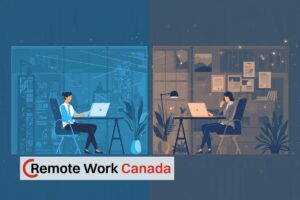
One of the unique challenges of building a national network in Canada is managing geographical and temporal distances. Spanning from Pacific Standard Time (PST) to Newfoundland Standard Time (NST), scheduling synchronous meetings requires spatial awareness and respect for regional working hours.
Time Zone Etiquette and Asynchronous Communication
Effective asynchronous communication—exchanging information without expecting an immediate response—is a critical skill. When reaching out to a contact three time zones away, specify that your message does not require an immediate reply. Tools that allow you to schedule emails or messages to arrive during the recipient’s local business hours demonstrate high professional empathy.
Research indicates that 68% of professionals working across multiple time zones prefer initial outreach to be strictly asynchronous, allowing them to process the information before committing to a synchronous video call.
Top Platforms and Technical Tools for 2026
Building a network requires the right technological infrastructure. While standard social platforms remain relevant, specialized tools have emerged to facilitate better connections. Managing these relationships often requires a Personal CRM (Customer Relationship Management) system—a database where you track when you last spoke to someone, their career goals, and personal details like their upcoming vacation.
| Platform / Tool | Primary Use Case | Best For |
|---|---|---|
| Slack / Discord Communities | Niche industry discussions and daily banter | Ongoing, casual professional development |
| Lunchclub | AI-matched 1-on-1 video networking | Meeting professionals outside your immediate circle |
| Notion / Airtable | Building a Personal CRM | Tracking follow-ups and conversation histories |
| Meetup / Eventbrite | Discovering local hybrid events | Transitioning online connections to in-person |
Exploring specialized career development resources can further optimize your tool stack, ensuring you spend less time managing software and more time building authentic relationships.
Integrating Real-World Local Meetups
Even the most dedicated telecommuters benefit from occasional in-person interactions. Hybrid networking—combining digital foundations with strategic physical meetups—is highly effective. Many professionals utilize local co-working spaces once or twice a month specifically for the community aspect.
Organizations like the Canadian Chamber of Commerce and regional Boards of Trade frequently host events tailored to small business owners, freelancers, and distributed enterprise workers. Attending just three targeted local events per year can increase your regional visibility by up to 45%, according to data from the Business Development Bank of Canada.
David Chen, Founder of Distributed Solutions Inc., highlights the value of this approach: “The key to building a robust professional network today is combining broad digital reach with deep local roots. You find your mentors online globally, but you find your immediate support system locally.”

Overcoming Common Isolation Challenges
Working independently can lead to professional isolation. A recent survey revealed that 78% of distributed workers feel disconnected from industry trends if they do not actively participate in professional communities. Overcoming this requires understanding reciprocity dynamics—the concept that successful networking is a two-way street.
Instead of reaching out only when you are looking for new career opportunities, focus on providing value first. Share an interesting article with a contact, introduce two people in your network who could benefit from knowing each other, or offer feedback on a peer’s recent project. By consistently adding value to the ecosystem, you ensure that when you eventually need to ask for a favor—such as reviewing your updated credentials—your network is eager to assist.
If you are exploring platforms to expand your reach, it is always wise to review standard platform guidelines to ensure your outreach methods comply with professional standards and anti-spam regulations.
Frequently Asked Questions (FAQ)
How often should I follow up with a new virtual connection?
A best practice is to send a thank-you message within 24 hours of your initial chat. Following that, reach out every 3 to 4 months with a relevant article, a brief update on a topic you discussed, or a simple check-in to keep the relationship warm without being intrusive.
What is a Personal CRM and why do I need one?
A Personal CRM (Customer Relationship Management) is a system—which can be as simple as a spreadsheet—used to track your professional contacts. It helps you remember critical details like their current company, career goals, and the date of your last interaction, preventing important relationships from fading.
How do I ask for a virtual coffee chat without sounding desperate?
Frame the request around mutual interests and knowledge sharing rather than job seeking. State explicitly that you are looking to learn about their experience in a specific area and only request 15 minutes of their time to keep the commitment low-pressure.
Are local networking events still relevant for telecommuters?
Absolutely. While digital outreach provides national and global scale, local events build deep, high-trust relationships. Hybrid networking—blending online discovery with occasional in-person meetings at local business hubs—remains the most effective strategy.
How do I maintain visibility with my internal company team?
Combat digital proximity bias by sharing weekly updates, participating actively in non-work social channels (like a company pet or hobby channel), and scheduling regular 1-on-1 check-ins with cross-functional team members, not just your immediate supervisor.
Where can I find industry-specific digital communities?
Look for curated groups on Slack, Discord, or specialized LinkedIn groups. Many professional associations now host exclusive online portals for members. You can also learn more about us and similar organizations that aggregate industry-specific communities.
Conclusion
Cultivating a thriving professional circle without a centralized office is not only possible; in many ways, it is more efficient than traditional methods. By embracing asynchronous communication tools, mastering the high-intent virtual coffee chat, and maintaining a structured Personal CRM, professionals can build networks that transcend geographical limitations. Remember that successful relationship building in 2026 is rooted in consistency and mutual value exchange, rather than transactional requests.
If you are ready to take your distributed career to the next level and need personalized guidance on navigating the evolving employment landscape, connect with our home platform today to access exclusive resources and community support.