
Key Takeaways
- Service-based and mobile franchises offer the lowest barrier to entry in Canada, often requiring less than $30,000 in initial liquid capital.
- The home-based business model has seen a 14% increase in adoption in 2026, reducing overhead and maximizing profit margins.
- Commercial cleaning, B2B digital consulting, and mobile pet grooming are currently the top-performing affordable sectors.
- Thorough review of the Franchise Disclosure Document (FDD) is critical to uncover hidden royalties or restrictive territory clauses.
- Government-backed loans, such as the Canada Small Business Financing Program, can subsidize up to 90% of eligible startup costs.
The Landscape of Affordable Franchising in 2026
The Canadian business ecosystem has undergone a massive transformation in recent years. Moving into 2026, the demand for accessible, budget-friendly business models has skyrocketed. According to data from Statistics Canada, micro-businesses and home-operated franchises now account for over 42% of all new commercial registrations nationwide. This shift is driven by economic pragmatism; entrepreneurs are actively seeking high-margin operations that do not require heavy capital expenditures like commercial leases, inventory warehousing, or massive payrolls.
Affordable franchise models typically replace physical storefronts with digital infrastructure and mobile service delivery. This lean operational style not only accelerates the path to profitability but also provides unparalleled flexibility. “The barrier to entry for business ownership has dropped significantly, provided entrepreneurs look past traditional restaurant or retail concepts,” explains Sarah Jenkins, Senior Analyst at the Franchise Business Network. “Today, a laptop, a vehicle, and a strong brand system are all you need to generate a six-figure operational income.”
Moreover, the survival rate for these streamlined operations is notably high. Recent industry reports indicate an 82% five-year survival rate for service-based franchises, compared to just 64% for independent startups in the same sectors. This resilience is largely attributed to the turnkey systems, ongoing corporate support, and established brand equity that franchising provides.

Top Categories for Budget-Friendly Ventures
Not all industries are created equal when it comes to capital requirements. To maximize return on investment (ROI) while minimizing upfront costs, prospective owners should target specific, high-demand service sectors.
1. Commercial and Residential Cleaning
The cleaning industry remains a powerhouse of accessible franchising. Valued at over $2.5 billion annually in Canada, commercial cleaning operations often require initial investments ranging from just $5,000 to $15,000. Because these businesses are inherently mobile and require minimal specialized equipment, overhead remains exceptionally low. Franchisees can manage administration, scheduling, and client acquisition entirely from a home office environment. Furthermore, the recurring revenue modelÔÇöwhere corporate clients sign annual cleaning contractsÔÇöprovides highly predictable cash flow.
2. B2B Services and Digital Consulting
As the gig economy matures into the professional sector, business-to-business (B2B) franchises such as digital marketing agencies, bookkeeping services, and IT consulting have surged. These models are ideal for professionals looking to transition out of corporate life. With an average entry cost of $20,000 to $35,000, franchisees leverage proprietary software and corporate training to deliver high-value services to local SMEs. “Service-based models require less capital but demand robust operational systems and networking acumen,” notes David Chen, Director of Small Business Initiatives.
3. Mobile Pet Care and Grooming
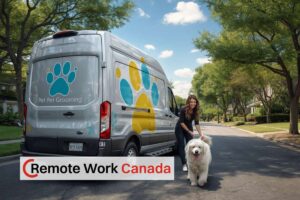
Pet ownership in Canada reached record highs over the last half-decade, and the demand for premium pet care has followed suit. Mobile pet grooming and pet-sitting franchises offer a unique, scalable opportunity. Typically requiring a retrofitted van and a franchise fee totaling around $40,000 to $50,000, these businesses capitalize on convenience. Pet owners are willing to pay a premium for at-home services, resulting in impressive profit margins and robust community-level brand loyalty.
Comparing the Best Accessible Canadian Franchises
To provide a clear perspective on what different sectors entail, the following table compares typical metrics for budget-friendly franchise models across Canada in 2026. These figures represent industry averages and will vary based on specific brand requirements and geographic territory.
| Franchise Sector | Est. Initial Investment (CAD) | Home-Base Capable? | Average Time to Profitability |
|---|---|---|---|
| Commercial Cleaning | $5,000 – $15,000 | Yes (Highly Compatible) | 3 to 6 Months |
| B2B Digital Consulting | $20,000 – $35,000 | Yes (Fully Digital) | 6 to 9 Months |
| Mobile Pet Grooming | $40,000 – $55,000 | Partial (Mobile Ops) | 8 to 12 Months |
| Property Management | $30,000 – $50,000 | Yes (Hybrid) | 12 to 18 Months |
Step-by-Step: How to Evaluate a Franchise Opportunity
Investing in a business system, even a low-cost one, requires meticulous due diligence. Follow these structured steps to ensure the opportunity aligns with your financial capacity and lifestyle goals.
- Analyze the Franchise Disclosure Document (FDD): In several Canadian provinces (including Ontario, Alberta, and BC), franchisors are legally mandated to provide an FDD. This comprehensive document outlines the corporate financials, pending litigation, exact fee structures, and the obligations of both parties. A rigorous review of this document is non-negotiable.
- Verify Liquid Capital Requirements: Understand the difference between the ‘Franchise Fee’ (the upfront cost to license the brand) and the ‘Total Initial Investment’ (which includes working capital, marketing materials, and initial insurance). Ensure you have at least 20% more liquid capital than the stated minimum to cover unexpected early-stage expenses.
- Assess the Royalty Structure: Most systems require ongoing royalties, typically between 4% and 8% of gross sales, alongside an advertising fund contribution of 1% to 3%. Calculate how these recurring deductions will impact your net profit margins once operational.
- Interview Existing Franchisees: Do not rely solely on the franchisor’s sales team. Request a list of current and former operators. Ask them directly about their timeline to profitability, the quality of corporate support, and whether the reality of the business matches the initial sales pitch.
- Define Territory Rights: For mobile and service-based models, exclusive territory is vital. Confirm how the franchisor defines this space (e.g., by postal code, population density, or geographic radius) to prevent cannibalization from other operators in the same network.
Financing Your Business Venture in Canada
Securing capital for a startup can be daunting, but affordable franchise options present less risk to lenders. A key resource for Canadian entrepreneurs is the Canada Small Business Financing Program (CSBFP), overseen by Innovation, Science and Economic Development Canada. This initiative partners with financial institutions to share the risk of lending to small businesses.
Under the CSBFP, prospective franchisees can secure loans of up to $1.15 million, though budget-friendly ventures will require a fraction of that. These funds can be used for purchasing equipment, leasehold improvements, and software, but notably cannot be used for working capital or franchise fees. For those specific costs, operators often leverage personal savings, home equity lines of credit (HELOC), or dedicated small business loans from the Business Development Bank of Canada (BDC).
“Because franchises come with historical financial performance representations and established operational blueprints, commercial banks view them as significantly lower risk than unproven startups,” explains Marcus Thorne, a prominent Franchise Consultant based in Calgary. “An applicant with a solid credit history can often finance up to 75% of their total project cost.”

Expert Insights on Maximizing Franchise ROI
Achieving a high return on investment requires more than just picking the right brand; it requires aggressive, intelligent execution. Experts recommend heavily leaning into local digital marketing. While the franchisor handles national brand awareness, local SEO, community engagement, and regional social media management fall entirely on the franchisee.
Furthermore, maintaining an unyielding focus on customer retention is critical. In service-based sectors like cleaning or B2B consulting, acquiring a new customer costs up to five times more than retaining an existing one. “Your true margin is generated by repeat business,” states Elena Rostova, Franchise Legal Counsel. “Franchisees who build personal rapport within their communities and utilize automated follow-up software consistently outperform those who rely solely on corporate lead generation.”
Common Pitfalls to Avoid
Even accessible, budget-friendly business models carry inherent risks. A frequent mistake is undercapitalization. Entrepreneurs sometimes invest every dollar of their liquid capital into the franchise fee and initial setup, leaving nothing for operating expenses during the critical first six months of operation. It is vital to maintain a financial runway.
Another common pitfall is the “employee mindset.” Moving from corporate employment to business ownership requires a paradigm shift. Franchisees are not merely buying a job; they are building an enterprise. Failing to aggressively network, manage local marketing, or adequately train staff will lead to stagnation, regardless of how strong the corporate brand may be.
Frequently Asked Questions (FAQ)
What is the absolute cheapest franchise to start in Canada?
Commercial cleaning and travel agency franchises generally require the lowest upfront investment. Many can be started for under $10,000 CAD, as they are home-based and require no expensive retail leasing or heavy equipment purchases.
Can I run a franchise completely from my home?
Yes. Over 65% of low-cost franchise options in 2026 are inherently designed as home-based operations. Sectors like IT consulting, digital marketing, bookkeeping, and dispatch-based home services rely on a central home office for administrative tasks while delivering services on-site or digitally.
Do I need prior industry experience to succeed?
No, most franchisors do not require prior industry experience. They seek candidates with strong management, sales, and customer service skills. The franchisor provides comprehensive training on the specific technical aspects of the business prior to launch.
What is a Franchise Disclosure Document (FDD)?
The FDD is a legally required document that outlines the comprehensive details of the franchisor-franchisee relationship. It includes background information on the executive team, financial performance representations, litigation history, and a breakdown of all mandatory fees and royalties.
How do royalties work in franchising?
Royalties are ongoing fees paid by the franchisee to the franchisor for the continued use of the brand name, proprietary software, and corporate support. They are typically calculated as a percentage of gross monthly sales, usually ranging from 4% to 8%.
Is financing available for the initial franchise fee?
Government-backed programs like the CSBFP cannot be used to pay the franchise fee directly. However, entrepreneurs can finance this cost through alternative methods, including personal savings, unsecure business lines of credit, or specialized loans through institutions like the BDC.
How long does it typically take to become profitable?
For low-overhead, service-based businesses, profitability is often reached much faster than retail models. Depending on local market conditions and owner effort, many home-based franchisees reach operational profitability within 3 to 9 months.
Conclusion
Entering the entrepreneurial landscape in 2026 does not require insurmountable capital. The Canadian market offers a wealth of affordable, small business ideas in Canada that prioritize high margins, flexible operations, and proven corporate systems. By strategically targeting mobile, service-based, or fully digital sectors, prospective owners can build significant equity without the crushing overhead of traditional retail. Success relies on conducting thorough due diligence, properly evaluating legal disclosure documents, and aggressively marketing the service at a local level. If you are ready to explore the best scalable business systems available in the current market, self-employment in Canada is a highly rewarding path; contact us today to schedule a consultation with our advisory team.
References
- Statistics Canada (2026). Small Business and Entrepreneurship Data.
- Canadian Franchise Association (CFA). Annual Industry Outlook Report.
- Innovation, Science and Economic Development Canada. Canada Small Business Financing Program Guidelines.
- Business Development Bank of Canada (BDC). Financing Solutions for Entrepreneurs.